
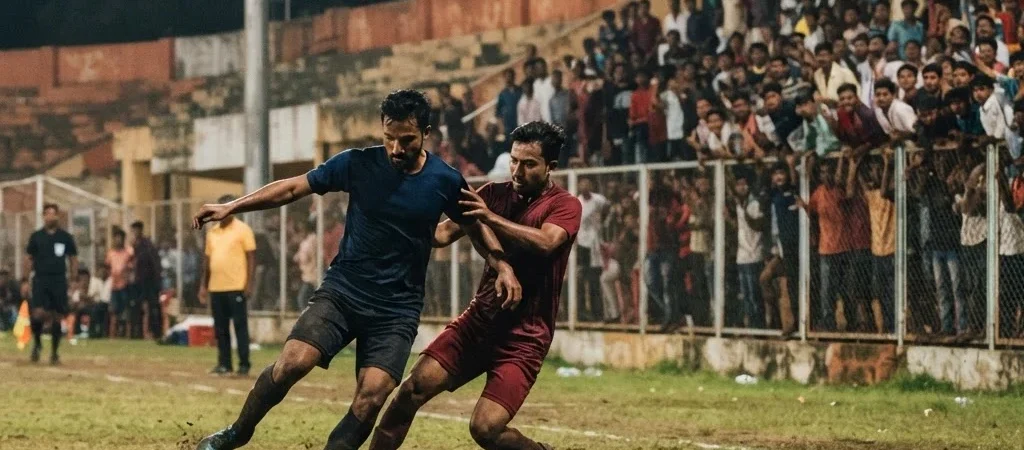
A 1–0 result can describe a tight contest, a late escape, or a match decided by one defensive lapse. The number alone cannot tell you which. Indian football coverage is stronger when it explains how the game moved, not simply who left with the points.
Name the conditions
Surface and weather matter, especially when rain changes the speed of the ball or makes a first touch harder to control. So does the rhythm of travel between fixtures: fatigue may show up in a late press or a slower recovery run. These details should be checked and described, not used as automatic excuses.
Follow the match after scoring
A goal does not end a tactical question; it changes one. Does the team that scores keep its shape and look for a second, or retreat toward its own box? Does the opponent respond with a substitution, wider attacks, or more direct balls? Those choices often explain the minutes that matter most.
Give the turning point context
A missed chance is only a turning point if the match changes around it. Look at the next spell: who controls the ball, who wins the second balls, and whether either coach changes the plan. A useful report connects those events to the result, so readers can understand what the score leaves out.